We could not have known when we first planned to take a group of music students to Havana to study Afro-Cuban music eight months earlier that the trip would land at an unprecedented moment in Cuba’s history. It looked for a while like the plan was ill-fated when the island was gripped by a devastating wave of viruses, which appeared to peak in November. As if that wasn’t concerning enough, on the 3rd of January 2026, the Guardian reported that the U.S had captured the President of Venezuela, Nicolás Maduro, putting an end to Cuba’s main petroleum supplier. We were left wondering, what happens when a country has no fuel?
The weeks leading up to the trip were stressful as we assessed and re-assessed the risks on a daily basis. We combed through media and governmental sources and talked to people on the ground to try to access the health and political landscape, which was changing daily. One day, we thought we’d have to cancel the next; we felt maybe we were overreacting to media hype.
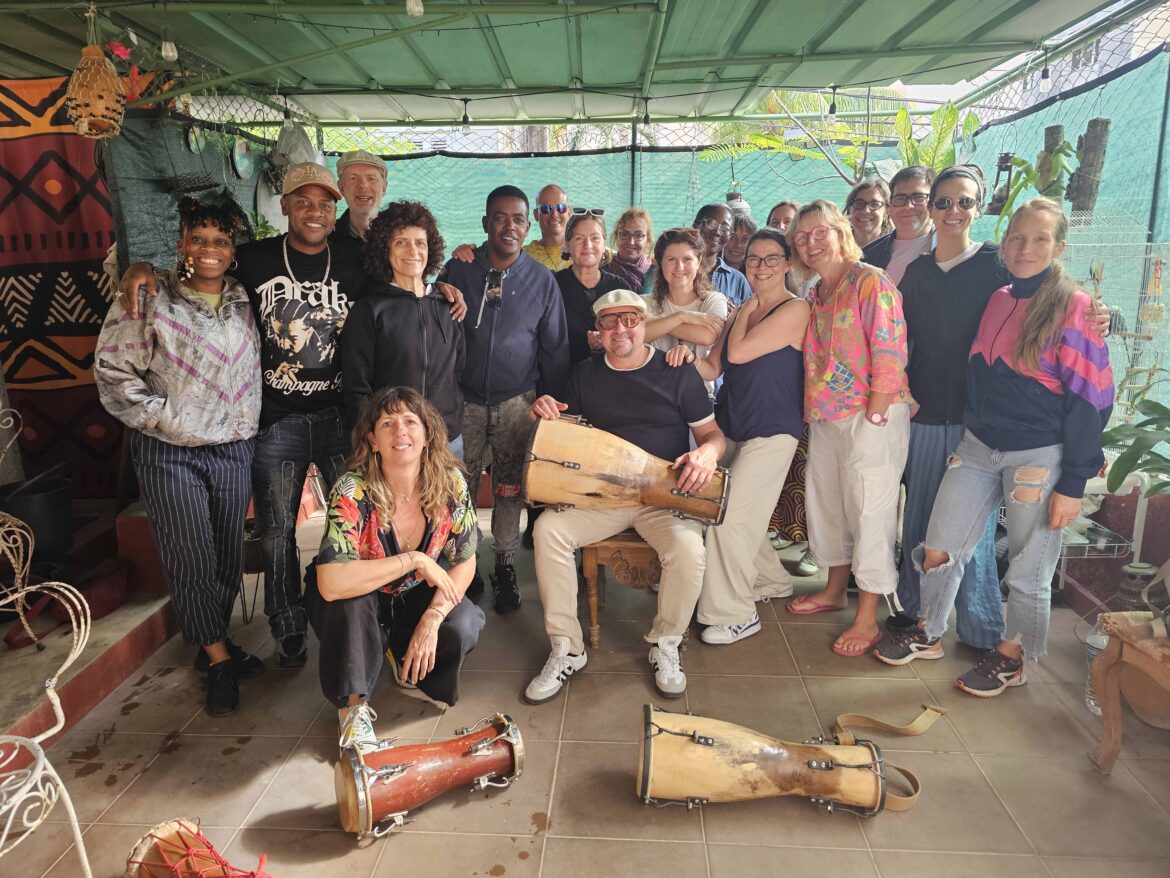
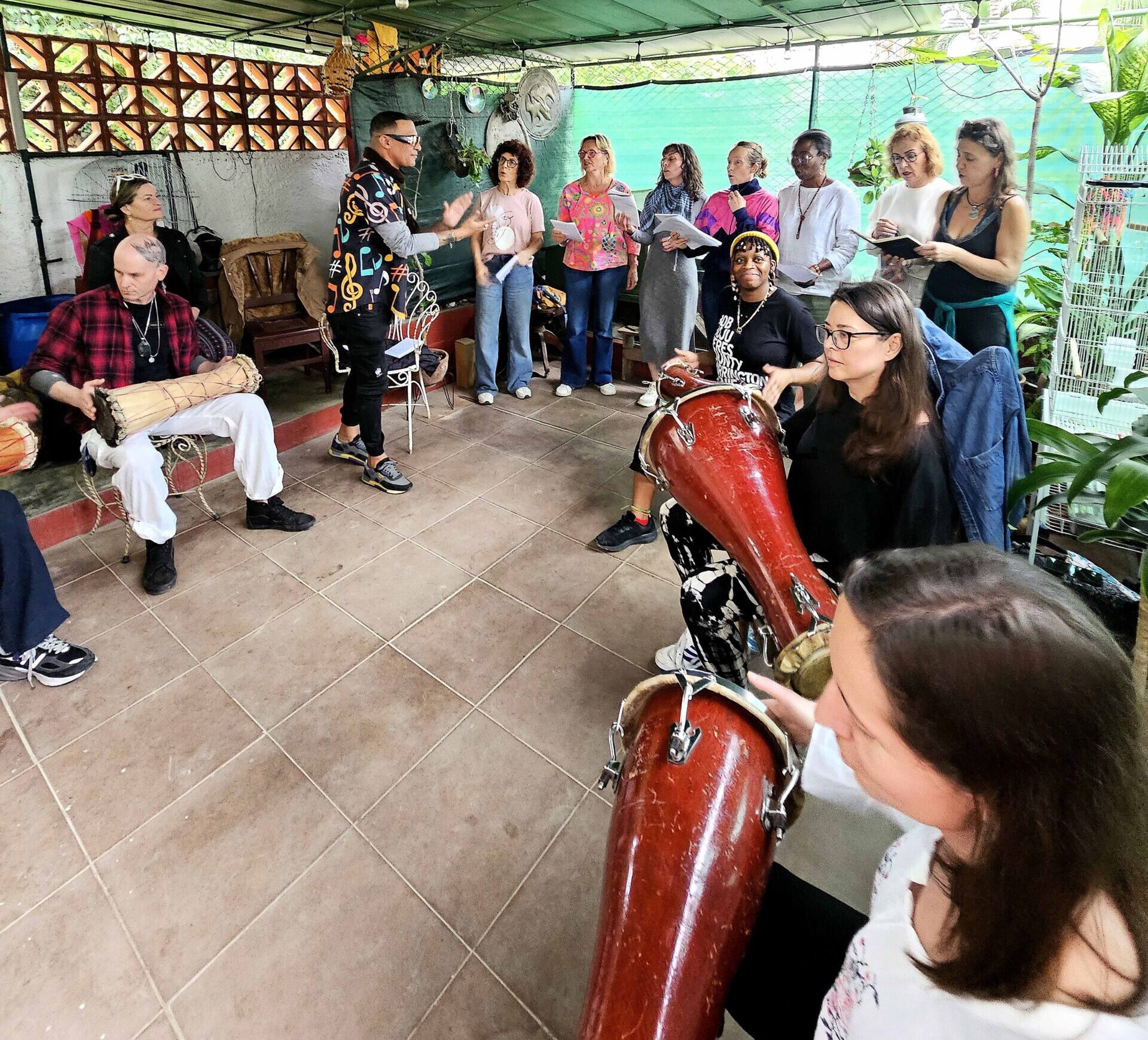
All we could do was inform our group of the risks we perceived and allow them to make informed decisions about whether they wanted to come or not. We originally had a group of twenty-nine students, but between December and January, people began dropping out. In the end, twenty of us travelled to Havana for two weeks from the 23rd of January, during the same time as the Havana Jazz Festival.
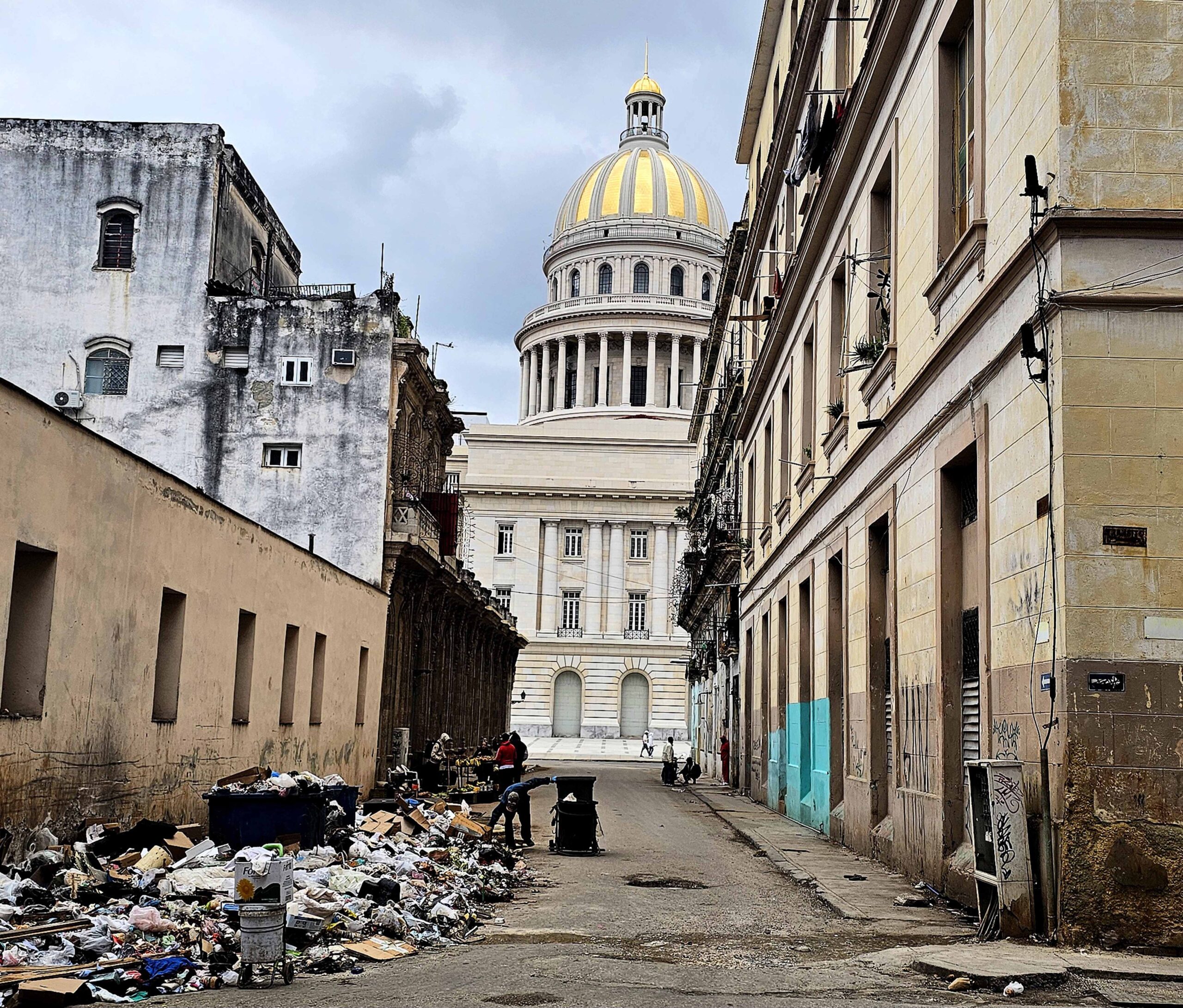
What did we find when we got there? From our privileged perspective, astonishingly, at first, life appeared to be carrying on almost as usual or at least not so different from the previous year when we visited. The city still looked like a war zone where once beautiful colonial buildings crumbled beyond repair. Many people complained of joint pain from the recent viral epidemic, but clearly, the worst was over. To be without power was the new norm, and periods of electricity were an anomaly – meaning hardly any homes have running water, as electricity is needed to pump the mains water into the tanks each day. There were noticeably more people sifting through the piles of festering rubbish on street corners.
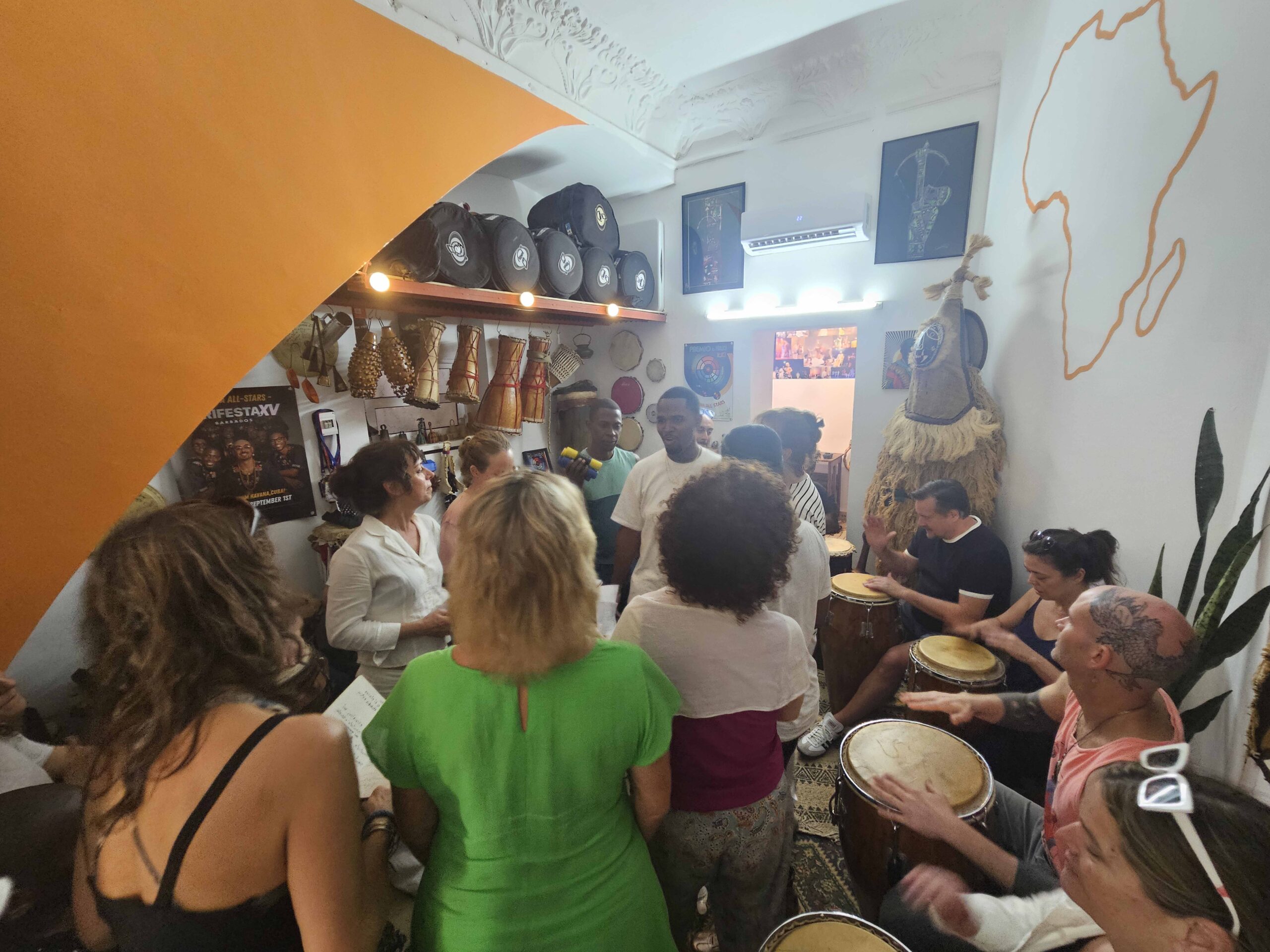
But, for the most part, the streets were buzzing much as they always had. The Jazz festival was in full swing with several acts lined up all over the city every night. In addition, the sounds of religious drumming spilt out onto the streets everywhere we went. This was not a city cowering in the dark, silently absorbing an unfolding humanitarian crisis.
The story, however, was unfolding before our eyes. From one day to the next, change was happening; public transport was drying up, and queues for petrol were getting longer. Towards the end of our stay, the cook at our casa informed us that dinner would take longer tonight because bottled gas had run out, so they now had to cook using charcoal.
As each new hardship landed, and another basic item ran out – items that we take for granted; petrol, electricity, gas, running water, refuse collection – people rolled their eyes, shrugged their shoulders and got on with adapting, as they have been doing for decades.
Against the odds, everyone on o
ur course had a profound and deeply rewarding time, and the injection of our hard cash and suitcases of medicines we brought was timely.
Two days after our return, we read that flights were being cancelled and tourists evacuated because of a shortage of aviation fuel. It looks increasingly like we were privileged to experience Cuba at a historical crossroads just before the door closed to outsiders for who knows how long.
It feels important to remember, as we look on in horror as the country appears to be imploding from the inside, that the Cuban spirit prevails, vibrant, robust, proud and full of cutting humour.
On our way to the airport, we asked David, the owner of our casa, what he thought would happen next. He replied, “Let’s see. Next time you come, we’ll all either be speaking English, Russian or Chinese!”
We would like to thank all those Maestros that collaborated with us on this trip. Miguel León, Lázaro Ferran Pérez, Javier Leal Fernández, Irian López, Javier Piña, Iray Rodríguez, Joan Argüelles.
And of course, all those students who were brave enough to come with us.